American Society of Plastic Surgeons (ASPS) data shows that millions of cosmetic procedures are performed annually in the United States, reflecting continued public interest in aesthetic enhancement and personal appearance. Celebrity culture, social media platforms, and constant exposure to curated images have all contributed to growing awareness of cosmetic treatments and beauty-related discussions.
The influence of celebrity beauty trends extends far beyond red carpet events. Public interest in facial contouring, skin rejuvenation, body sculpting, and other aesthetic procedures often increases when celebrities openly discuss treatments or when media coverage highlights physical transformations. Information provided by resources such as plastic surgeon Syracuse practices and other qualified medical professionals can help individuals understand available options beyond celebrity headlines. Yet the broader conversation raises an important question: How much of what people see online reflects realistic outcomes for everyday individuals?

The Influence of Celebrity Culture on Beauty Expectations
Celebrity culture has long shaped public perceptions of beauty. Magazine covers once served as the primary source of beauty inspiration, but social media now delivers a constant stream of images directly to users’ phones. Platforms such as Instagram, TikTok, and YouTube allow celebrities and influencers to share highly polished content that often reaches millions of viewers within hours.
American Psychological Association (APA) research has noted that media exposure can influence body image and self-perception. People naturally compare themselves to individuals they admire, especially when those individuals appear to embody widely accepted beauty standards.
While admiration and inspiration are normal human behaviors, the volume and frequency of celebrity-focused content can sometimes blur the line between aspiration and expectation. Modern audiences are exposed to professional photography, makeup artistry, styling teams, lighting techniques, and digital editing tools that significantly affect appearance.
Argument: Celebrity Trends Can Increase Awareness of Aesthetic Options
Supporters of celebrity influence argue that public discussions about cosmetic procedures have reduced stigma and encouraged more transparent conversations about aesthetic care. Decades ago, many treatments were rarely discussed openly. Today, celebrities often share personal experiences involving skincare treatments, cosmetic surgery, and non-surgical procedures.
This openness has helped educate the public about options that were once poorly understood. Procedures such as rhinoplasty, breast reconstruction, eyelid surgery, injectable treatments, and laser therapies are now part of mainstream health and beauty discussions.
Experts note that increased awareness can empower individuals to explore treatments that address personal concerns affecting confidence or quality of life. For example, reconstructive procedures may help patients recover from injury, illness, or congenital conditions. Public conversations can also encourage people to seek reliable information from qualified healthcare providers rather than relying solely on rumors or misinformation.
Data published by the American Society for Aesthetic Plastic Surgery suggests that many patients pursue cosmetic procedures for reasons related to self-confidence, aging concerns, or personal goals rather than celebrity imitation alone. This perspective highlights a potentially positive side of celebrity influence: greater public knowledge of available treatments.
Counterargument: Social Media and Celebrity Images Can Create Unrealistic Standards
Despite potential benefits, critics argue that celebrity beauty culture often promotes unrealistic expectations. Many public images are carefully curated through professional photography, image editing software, filters, cosmetic enhancements, and favorable lighting conditions.
Research published by the Journal of Eating Disorders has explored links between social media exposure and body dissatisfaction among some users. Constant comparisons with highly edited or selectively presented images may contribute to feelings of inadequacy or distorted perceptions of normal appearance.
The challenge becomes even greater when cosmetic procedures are presented as simple solutions to complex concerns. Celebrity transformations may appear dramatic, yet viewers rarely see factors such as genetics, multiple treatments, long recovery periods, professional styling, nutrition programs, personal trainers, or ongoing maintenance.
As a result, some individuals may expect outcomes that modern cosmetic medicine cannot realistically deliver. A procedure may improve a specific feature, but it cannot replicate another person’s face, body structure, or overall appearance. Medical professionals consistently emphasize that cosmetic procedures enhance existing features rather than completely transform identity.
Common Cosmetic Procedures Frequently Discussed in Popular Media
Several cosmetic procedures regularly appear in celebrity news, entertainment coverage, and social media discussions.
- Rhinoplasty: Often discussed when celebrities appear to have altered nasal contours or facial balance.
- Facelifts: Frequently associated with age-related rejuvenation and reduction of visible facial aging.
- Eyelid Surgery: Commonly mentioned in conversations about refreshed or more youthful appearance.
- Liposuction: Discussed as a body contouring procedure designed to remove localized fat deposits.
- Breast Procedures: Includes augmentation, reduction, and reconstruction surgeries.
- Injectable Treatments: Products used to reduce facial wrinkles or restore volume are among the most frequently discussed non-surgical options.
- Laser Skin Treatments: Popular for addressing skin texture concerns, pigmentation issues, and signs of aging.
While media coverage often focuses on dramatic before-and-after comparisons, healthcare professionals generally evaluate these treatments based on patient goals, anatomy, medical history, and long-term suitability.
The Importance of Individualized Consultations
One of the most important distinctions between celebrity beauty trends and real-world cosmetic care is the role of individualized assessment. Every person has unique facial features, body proportions, health considerations, and aesthetic goals.
ASPS guidance emphasizes the importance of board-certified professionals conducting thorough consultations before recommending any procedure. During these discussions, patients can learn about potential benefits, limitations, risks, recovery expectations, and alternative approaches.
A qualified cosmetic surgeon or aesthetic specialist typically evaluates factors such as skin quality, anatomy, age, lifestyle habits, and overall health. Recommendations are based on what is medically appropriate and realistically achievable rather than what may be trending online.
Individualized consultations also help address misconceptions. A treatment that produces excellent results for one patient may not be the best option for another. Personalized evaluation remains essential for informed decision-making and patient safety.
READ ALSO: Why Beauty and Celebrity Trends Influence Modern Medical Aesthetics and Wellness Centers
Encouraging Realistic Expectations and Informed Decision-Making in Cosmetic Care
The debate surrounding celebrity beauty culture ultimately reveals valid points on both sides. Celebrity influence can introduce people to treatments they may not have previously considered and contribute to greater public awareness of aesthetic medicine. At the same time, heavily curated images and unrealistic portrayals can create expectations that modern cosmetic procedures cannot always fulfill.
Experts across the medical community emphasize that successful outcomes are often measured by personal satisfaction, improved confidence, and realistic enhancement rather than dramatic transformation. Cosmetic procedures can refine features, address specific concerns, and support individual goals, but they cannot guarantee perfection or recreate someone else’s appearance.
Consumers benefit most when they approach aesthetic care with balanced expectations, reliable information, and guidance from experienced medical professionals. By understanding both the possibilities and limitations of cosmetic treatments, individuals can make decisions that align with their personal goals rather than external pressures.
Celebrity trends will likely continue to influence beauty conversations for years to come. However, informed choices, personalized treatment planning, and realistic expectations remain the foundation of responsible cosmetic care and long-term satisfaction with aesthetic outcomes.

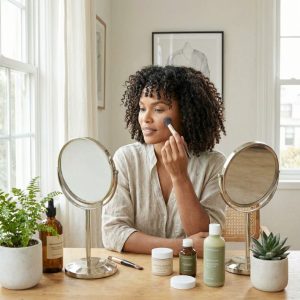
 While beauty styles are constantly evolving, personal expression is always on point. Using colors, hairstyles and techniques that are comfortable will provide a more authentic look. In today’s world, people are rarely limited to just one popular item. They can wear some of the most popular things combined with their own preferences.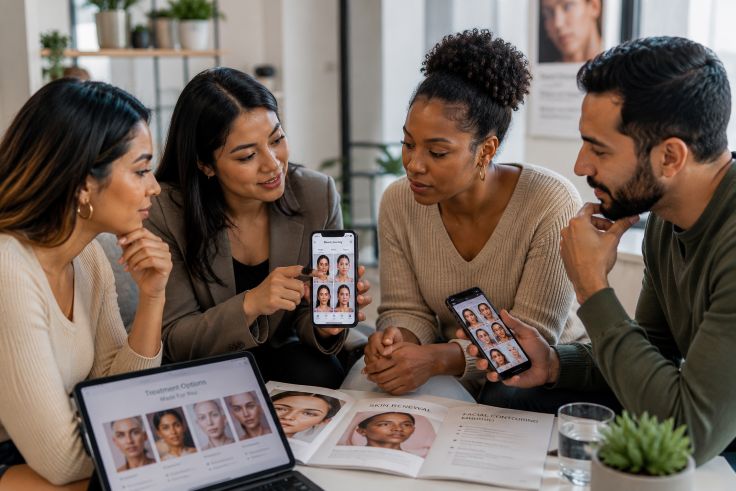
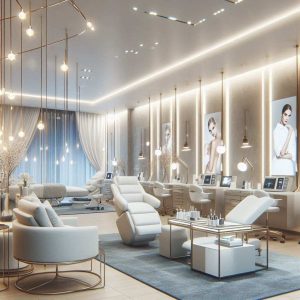 Beauty trends have always influenced how people view self-care and appearance. Today, celebrity culture and social media have made aesthetic treatments more visible than ever before. Many people now learn about skincare, wellness routines, and cosmetic procedures through public figures, influencers, and entertainment platforms.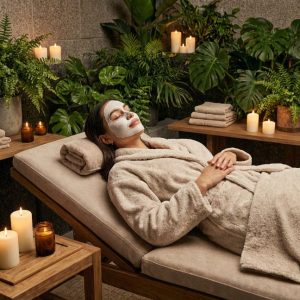
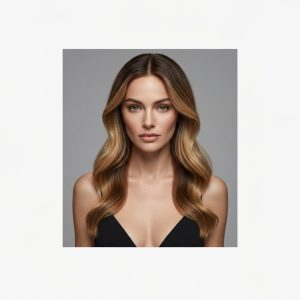
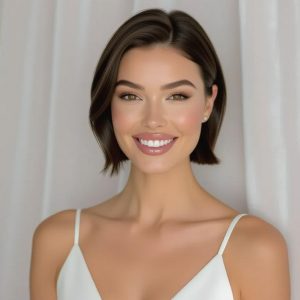 A perfect smile has become a signature accessory for celebrities walking the streets of Manhattan. From red carpet events to high-profile photo shoots, flawless teeth are now as essential as designer outfits. New Yorkers, inspired by this trend, are investing more in advanced oral care to maintain confidence and health. Lux Smiles NYC has emerged as a trusted destination for those seeking world-class treatments that combine aesthetics with expertise.
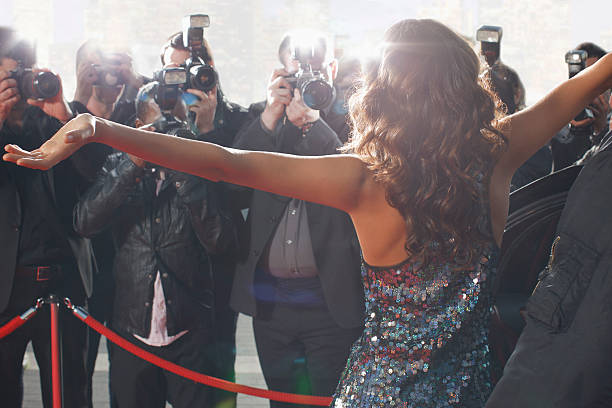
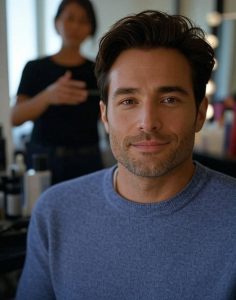 Red carpet appearances aren’t just about flawless tuxedos and dazzling smiles. The truth is, many celebrities invest hours—sometimes days—perfecting their personal grooming routines before facing the cameras. What often goes unseen is just how far this grooming goes. From high-end facials to toe treatments, stars take their skincare seriously. But one of the most surprising additions to their routines? Intimate skincare.
 A celebrity’s attractiveness has been associated with their fame for a long time. They frequently promote unattainable standards of beauty by appearing on red carpets and magazine covers. However, there has been a welcome change as of late: famous people are showing greater self-confidence and advocating for a more inclusive definition of beauty.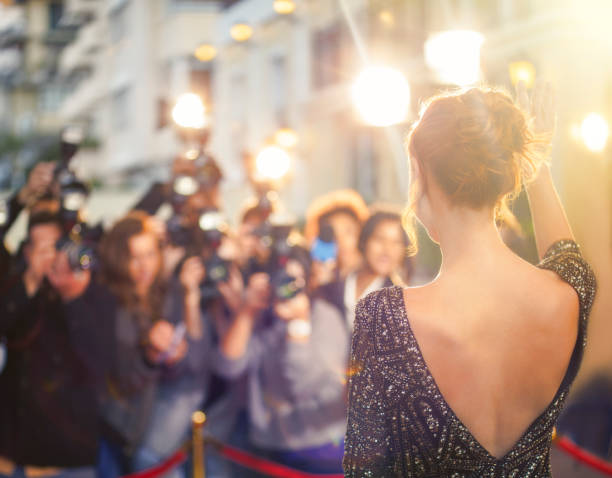





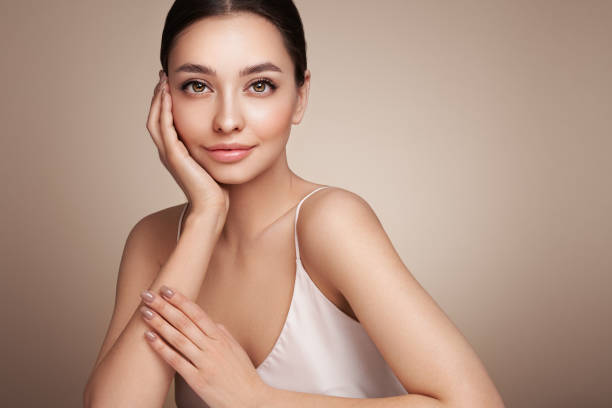


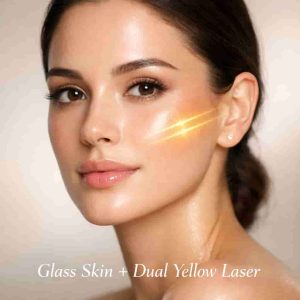 The ultra-smooth, reflective complexion known as “glass skin” is back in the spotlight. You see it on red carpets, in press photos, and across social feeds. Skin looks clear, even, and almost translucent. Not greasy. Not filtered. Just calm, bright, and polished. For a while, heavy contour and matte finishes ruled. Now the focus has shifted. Skin is meant to look healthy up close. Pores are softer. Redness is dialed down. Pigment looks even. That’s why in-clinic treatments are getting more attention again, especially laser options that work beneath the surface, like the dual yellow laser Malaysia clinics have been quietly offering
  More than 700,000 people become naturalized U.S. citizens each year, and among them are some of the world’s most recognizable faces. From Oscar winners to Grammy performers, celebrities who were born abroad often choose to make America their permanent home. Their journeys are not just about legal paperwork. They reflect personal growth, emotional resilience, and even health transformations that unfold behind the scenes.
 Celebrities always seem to have flawless hair. Whether it’s a red-carpet event or a casual Instagram post, their locks look impossibly full, shiny, and perfect. But here’s a little secret: many stars turn to Turkey for hair transplants to maintain that picture-perfect look. The country has become a global hub for hair restoration, attracting high-profile clients who want discreet, natural-looking results. Why Turkey? It’s a mix of cutting-edge techniques, skilled surgeons, and a knack for catering to those who value privacy.
 Celebrity dermatologists shape the flawless faces of Hollywood’s elite. Their practices, built on years of trust and expertise, command premium prices. Lately, many are trading their prestigious clinics for eight-figure deals with private-equity firms. Why are these skin gurus stepping away from their empires? The answer lies in a mix of business savvy, brand evolution, and market trends. Let’s explore what makes these practices irresistible to buyers and how dermatologists maintain their star power post-sale.A-listers don’t just walk into any dermatologist’s office. They seek out practices with sterling reputations, prime locations, and exclusive client lists. These factors make a practice a goldmine for investors. When dermatologists decide to sell a dermatology practice, private-equity firms see more than a clinic—they see a brand with global reach. For instance, a Beverly Hills practice catering to Oscar winners isn’t just a business; it’s a cultural institution. Add in signature skincare lines or cutting-edge treatments, and the value skyrockets. Yet, selling doesn’t mean fading away. Smart dermatologists leverage these deals to amplify their personal brand.
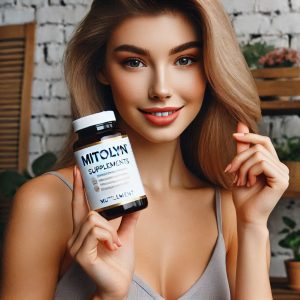 Mitolyn has earned its reputation in the beauty industry for good reasons. Packed with potent ingredients, this supplement targets the body’s cellular health, ensuring that skin, hair, and nails reflect the vitality within. Here’s how it works:
 Scandals can hit hard, from career-threatening controversies to personal slip-ups caught on camera. This is where the unsung heroes of celebrity life—PR teams and image consultants—come in to clean up the mess and piece together shattered reputations.