American Society of Plastic Surgeons (ASPS) data shows that millions of cosmetic procedures are performed annually in the United States, reflecting continued public interest in aesthetic enhancement and personal appearance. Celebrity culture, social media platforms, and constant exposure to curated images have all contributed to growing awareness of cosmetic treatments and beauty-related discussions.
The influence of celebrity beauty trends extends far beyond red carpet events. Public interest in facial contouring, skin rejuvenation, body sculpting, and other aesthetic procedures often increases when celebrities openly discuss treatments or when media coverage highlights physical transformations. Information provided by resources such as plastic surgeon Syracuse practices and other qualified medical professionals can help individuals understand available options beyond celebrity headlines. Yet the broader conversation raises an important question: How much of what people see online reflects realistic outcomes for everyday individuals?
The Influence of Celebrity Culture on Beauty Expectations
Celebrity culture has long shaped public perceptions of beauty. Magazine covers once served as the primary source of beauty inspiration, but social media now delivers a constant stream of images directly to users’ phones. Platforms such as Instagram, TikTok, and YouTube allow celebrities and influencers to share highly polished content that often reaches millions of viewers within hours.
American Psychological Association (APA) research has noted that media exposure can influence body image and self-perception. People naturally compare themselves to individuals they admire, especially when those individuals appear to embody widely accepted beauty standards.
While admiration and inspiration are normal human behaviors, the volume and frequency of celebrity-focused content can sometimes blur the line between aspiration and expectation. Modern audiences are exposed to professional photography, makeup artistry, styling teams, lighting techniques, and digital editing tools that significantly affect appearance.
Argument: Celebrity Trends Can Increase Awareness of Aesthetic Options
Supporters of celebrity influence argue that public discussions about cosmetic procedures have reduced stigma and encouraged more transparent conversations about aesthetic care. Decades ago, many treatments were rarely discussed openly. Today, celebrities often share personal experiences involving skincare treatments, cosmetic surgery, and non-surgical procedures.
This openness has helped educate the public about options that were once poorly understood. Procedures such as rhinoplasty, breast reconstruction, eyelid surgery, injectable treatments, and laser therapies are now part of mainstream health and beauty discussions.
Experts note that increased awareness can empower individuals to explore treatments that address personal concerns affecting confidence or quality of life. For example, reconstructive procedures may help patients recover from injury, illness, or congenital conditions. Public conversations can also encourage people to seek reliable information from qualified healthcare providers rather than relying solely on rumors or misinformation.
Data published by the American Society for Aesthetic Plastic Surgery suggests that many patients pursue cosmetic procedures for reasons related to self-confidence, aging concerns, or personal goals rather than celebrity imitation alone. This perspective highlights a potentially positive side of celebrity influence: greater public knowledge of available treatments.
Counterargument: Social Media and Celebrity Images Can Create Unrealistic Standards
Despite potential benefits, critics argue that celebrity beauty culture often promotes unrealistic expectations. Many public images are carefully curated through professional photography, image editing software, filters, cosmetic enhancements, and favorable lighting conditions.
Research published by the Journal of Eating Disorders has explored links between social media exposure and body dissatisfaction among some users. Constant comparisons with highly edited or selectively presented images may contribute to feelings of inadequacy or distorted perceptions of normal appearance.
The challenge becomes even greater when cosmetic procedures are presented as simple solutions to complex concerns. Celebrity transformations may appear dramatic, yet viewers rarely see factors such as genetics, multiple treatments, long recovery periods, professional styling, nutrition programs, personal trainers, or ongoing maintenance.
As a result, some individuals may expect outcomes that modern cosmetic medicine cannot realistically deliver. A procedure may improve a specific feature, but it cannot replicate another person’s face, body structure, or overall appearance. Medical professionals consistently emphasize that cosmetic procedures enhance existing features rather than completely transform identity.
Common Cosmetic Procedures Frequently Discussed in Popular Media
Several cosmetic procedures regularly appear in celebrity news, entertainment coverage, and social media discussions.
- Rhinoplasty: Often discussed when celebrities appear to have altered nasal contours or facial balance.
- Facelifts: Frequently associated with age-related rejuvenation and reduction of visible facial aging.
- Eyelid Surgery: Commonly mentioned in conversations about refreshed or more youthful appearance.
- Liposuction: Discussed as a body contouring procedure designed to remove localized fat deposits.
- Breast Procedures: Includes augmentation, reduction, and reconstruction surgeries.
- Injectable Treatments: Products used to reduce facial wrinkles or restore volume are among the most frequently discussed non-surgical options.
- Laser Skin Treatments: Popular for addressing skin texture concerns, pigmentation issues, and signs of aging.
While media coverage often focuses on dramatic before-and-after comparisons, healthcare professionals generally evaluate these treatments based on patient goals, anatomy, medical history, and long-term suitability.
The Importance of Individualized Consultations
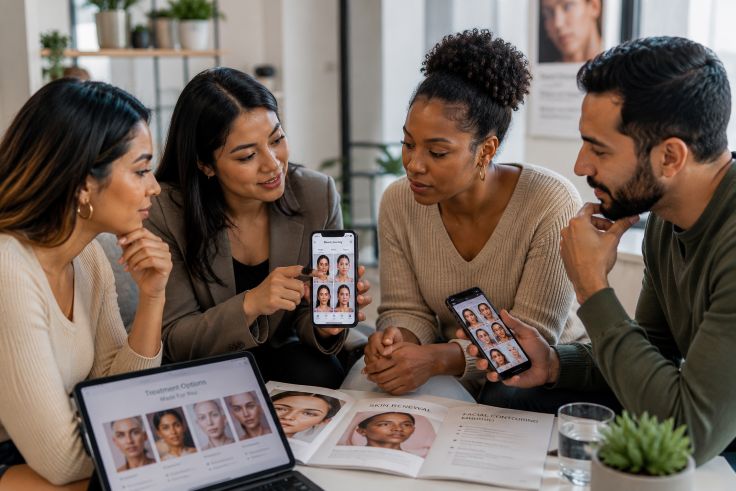
One of the most important distinctions between celebrity beauty trends and real-world cosmetic care is the role of individualized assessment. Every person has unique facial features, body proportions, health considerations, and aesthetic goals.
ASPS guidance emphasizes the importance of board-certified professionals conducting thorough consultations before recommending any procedure. During these discussions, patients can learn about potential benefits, limitations, risks, recovery expectations, and alternative approaches.
A qualified cosmetic surgeon or aesthetic specialist typically evaluates factors such as skin quality, anatomy, age, lifestyle habits, and overall health. Recommendations are based on what is medically appropriate and realistically achievable rather than what may be trending online.
Individualized consultations also help address misconceptions. A treatment that produces excellent results for one patient may not be the best option for another. Personalized evaluation remains essential for informed decision-making and patient safety.
READ ALSO: Why Beauty and Celebrity Trends Influence Modern Medical Aesthetics and Wellness Centers
Encouraging Realistic Expectations and Informed Decision-Making in Cosmetic Care
The debate surrounding celebrity beauty culture ultimately reveals valid points on both sides. Celebrity influence can introduce people to treatments they may not have previously considered and contribute to greater public awareness of aesthetic medicine. At the same time, heavily curated images and unrealistic portrayals can create expectations that modern cosmetic procedures cannot always fulfill.
Experts across the medical community emphasize that successful outcomes are often measured by personal satisfaction, improved confidence, and realistic enhancement rather than dramatic transformation. Cosmetic procedures can refine features, address specific concerns, and support individual goals, but they cannot guarantee perfection or recreate someone else’s appearance.
Consumers benefit most when they approach aesthetic care with balanced expectations, reliable information, and guidance from experienced medical professionals. By understanding both the possibilities and limitations of cosmetic treatments, individuals can make decisions that align with their personal goals rather than external pressures.
Celebrity trends will likely continue to influence beauty conversations for years to come. However, informed choices, personalized treatment planning, and realistic expectations remain the foundation of responsible cosmetic care and long-term satisfaction with aesthetic outcomes.