Beauty and Celebrity

Why Low-Downtime Skin Treatments Have Become Part of Modern Beauty Culture

skin treatments

Social media has changed how people see and evaluate their appearance. Close-up videos, high-resolution photos, beauty filters, and celebrity content place greater attention on skin tone and texture. A 2024 systematic review published in Cureus found that idealized and digitally enhanced social media images can influence body image and interest in cosmetic procedures. Celebrity influence was also identified as one factor shaping modern beauty expectations.

That environment helps explain the interest in treatments designed around relatively short recovery periods. One example is pico laser Bangsar KL Malaysia, which uses ultrashort picosecond pulses to target pigment and other skin concerns. Hebe Clinic states that its treatment is intended to limit heat exposure to surrounding tissue. The clinic describes mild redness as a possible reaction and says downtime is generally minimal.

Why Has Low Downtime Become So Appealing?

Modern beauty culture places value on treatments that can fit into everyday schedules. People may want to address pigmentation, acne marks, visible pores, or uneven texture without taking several days away from work or social activities. A shorter recovery period can therefore be attractive for practical reasons, even before cosmetic preferences are considered.

Online exposure may strengthen that appeal. Research published in the Journal of Cosmetic Dermatology found that social media can influence how people seek skincare information and consider cosmetic procedures. Another study involving cosmetic patients found that following celebrities, influencers, and accounts showing treatment results was associated with differences in interest in cosmetic procedures.

Some concerns also become more noticeable in photos. Uneven pigmentation and marks left after acne can stand out under bright lighting or phone cameras. The American Academy of Dermatology explains that post-inflammatory hyperpigmentation is a common concern among people with darker skin tones. It develops when irritation or inflammation causes the skin to produce additional melanin.

What Makes Picosecond Technology Different?

Picosecond lasers deliver energy in pulses measured in trillionths of a second. Their very short pulse duration creates a strong photoacoustic effect that can break targeted pigment into smaller particles while reducing prolonged heat transfer into nearby tissue.

A review of fractional picosecond technology reported potential applications for pigmentation, enlarged pores, photoaging, wrinkles, and atrophic scars. The researchers also stressed that further studies are needed to confirm benefits across different conditions and treatment methods. This distinction is important because the term “pico laser” covers devices with different wavelengths, settings, and delivery systems.

Evidence for acne scars provides another useful example. A 2023 meta-analysis published in the Journal of Cosmetic Dermatology compared fractional picosecond lasers with other fractional lasers. Overall scar improvement was similar. However, the studies analyzed showed lower pain scores and a lower incidence of post-inflammatory hyperpigmentation with fractional picosecond treatment. Temporary pinpoint bleeding occurred more often.

Short Recovery Does Not Mean Zero Risk

This is where the low-downtime argument needs some balance. Being able to return quickly to normal activities does not mean a laser procedure is suitable for everyone. Redness, swelling, sensitivity, temporary breakouts, or changes in pigmentation can still occur.

Skin tone is particularly important when lasers are used for pigmentation or texture. A review covering cosmetic procedures in darker skin types found that post-inflammatory hyperpigmentation remains a potential complication of laser treatment, although several studies of picosecond systems reported relatively low rates.

The condition being treated matters too. Melasma, sun spots, post-acne pigmentation, and other forms of discoloration do not behave in exactly the same way. The American Academy of Dermatology advises identifying the cause of dark spots because controlling the trigger is often an important part of treatment.

Laser settings must also be adjusted for the individual. Wavelength, energy level, treatment depth, skin tone, and the nature of the concern can influence both results and side effects. That is why a treatment that works well for one person’s acne marks may not be the best approach for another person’s pigmentation.

What Gets Lost in Before-and-After Culture?

Celebrity posts and treatment videos can make aesthetic procedures appear simple. Wider coverage of celebrity grooming and skincare routines also shows how specialized beauty practices are becoming more visible to everyday audiences. Before-and-after photographs may show two points in time while leaving out consultations, repeat sessions, temporary reactions, aftercare, and gradual changes between them.

This can affect expectations. Research examining social media and cosmetic procedures has found associations between appearance-focused online content and greater consideration of aesthetic treatments. These findings do not mean social media automatically causes someone to seek treatment. They do suggest that repeated exposure can influence what people consider normal, desirable, or worth changing.

Where Low-Downtime Treatments Fit

Low-downtime skin treatments fit comfortably into modern beauty culture because they combine two appealing ideas: visible skin improvement and limited disruption to daily life. Celebrity and social media exposure have made these procedures more familiar, while newer technologies have expanded the options available for certain pigmentation and texture concerns.

Convenience, however, should remain secondary to suitability. A laser should be selected because it matches the person’s skin condition, tone, risk factors, and realistic goals, rather than because it is trending online.

Picosecond technology may offer useful options for selected patients, and research supports its potential for several pigment and texture concerns. Yet short recovery should never be confused with guaranteed results or universal safety. Beauty trends can create awareness, but an individual skin assessment remains the more reliable basis for deciding whether an aesthetic laser procedure makes sense.
By Alexander Deforest, ago
Health and Lifestyle

Celebrity Beauty Trends vs. Everyday Reality: What Modern Cosmetic Procedures Can and Cannot Achieve

American Society of Plastic Surgeons (ASPS) data shows that millions of cosmetic procedures are performed annually in the United States, reflecting continued public interest in aesthetic enhancement and personal appearance. Celebrity culture, social media platforms, and constant exposure to curated images have all contributed to growing awareness of cosmetic treatments and beauty-related discussions.

The influence of celebrity beauty trends extends far beyond red carpet events. Public interest in facial contouring, skin rejuvenation, body sculpting, and other aesthetic procedures often increases when celebrities openly discuss treatments or when media coverage highlights physical transformations. Information provided by resources such as plastic surgeon Syracuse practices and other qualified medical professionals can help individuals understand available options beyond celebrity headlines. Yet the broader conversation raises an important question: How much of what people see online reflects realistic outcomes for everyday individuals?

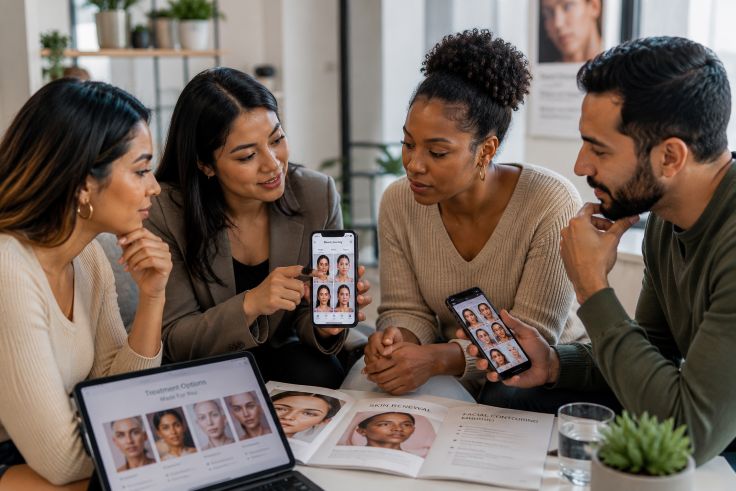
adults reviewing cosmetic treatment options

The Influence of Celebrity Culture on Beauty Expectations

Celebrity culture has long shaped public perceptions of beauty. Magazine covers once served as the primary source of beauty inspiration, but social media now delivers a constant stream of images directly to users’ phones. Platforms such as Instagram, TikTok, and YouTube allow celebrities and influencers to share highly polished content that often reaches millions of viewers within hours.

American Psychological Association (APA) research has noted that media exposure can influence body image and self-perception. People naturally compare themselves to individuals they admire, especially when those individuals appear to embody widely accepted beauty standards.

While admiration and inspiration are normal human behaviors, the volume and frequency of celebrity-focused content can sometimes blur the line between aspiration and expectation. Modern audiences are exposed to professional photography, makeup artistry, styling teams, lighting techniques, and digital editing tools that significantly affect appearance.

Argument: Celebrity Trends Can Increase Awareness of Aesthetic Options

Supporters of celebrity influence argue that public discussions about cosmetic procedures have reduced stigma and encouraged more transparent conversations about aesthetic care. Decades ago, many treatments were rarely discussed openly. Today, celebrities often share personal experiences involving skincare treatments, cosmetic surgery, and non-surgical procedures.

This openness has helped educate the public about options that were once poorly understood. Procedures such as rhinoplasty, breast reconstruction, eyelid surgery, injectable treatments, and laser therapies are now part of mainstream health and beauty discussions.

Experts note that increased awareness can empower individuals to explore treatments that address personal concerns affecting confidence or quality of life. For example, reconstructive procedures may help patients recover from injury, illness, or congenital conditions. Public conversations can also encourage people to seek reliable information from qualified healthcare providers rather than relying solely on rumors or misinformation.

Data published by the American Society for Aesthetic Plastic Surgery suggests that many patients pursue cosmetic procedures for reasons related to self-confidence, aging concerns, or personal goals rather than celebrity imitation alone. This perspective highlights a potentially positive side of celebrity influence: greater public knowledge of available treatments.

Counterargument: Social Media and Celebrity Images Can Create Unrealistic Standards

Despite potential benefits, critics argue that celebrity beauty culture often promotes unrealistic expectations. Many public images are carefully curated through professional photography, image editing software, filters, cosmetic enhancements, and favorable lighting conditions.

Research published by the Journal of Eating Disorders has explored links between social media exposure and body dissatisfaction among some users. Constant comparisons with highly edited or selectively presented images may contribute to feelings of inadequacy or distorted perceptions of normal appearance.

The challenge becomes even greater when cosmetic procedures are presented as simple solutions to complex concerns. Celebrity transformations may appear dramatic, yet viewers rarely see factors such as genetics, multiple treatments, long recovery periods, professional styling, nutrition programs, personal trainers, or ongoing maintenance.

As a result, some individuals may expect outcomes that modern cosmetic medicine cannot realistically deliver. A procedure may improve a specific feature, but it cannot replicate another person’s face, body structure, or overall appearance. Medical professionals consistently emphasize that cosmetic procedures enhance existing features rather than completely transform identity.

Common Cosmetic Procedures Frequently Discussed in Popular Media

Several cosmetic procedures regularly appear in celebrity news, entertainment coverage, and social media discussions.

  • Rhinoplasty: Often discussed when celebrities appear to have altered nasal contours or facial balance.
  • Facelifts: Frequently associated with age-related rejuvenation and reduction of visible facial aging.
  • Eyelid Surgery: Commonly mentioned in conversations about refreshed or more youthful appearance.
  • Liposuction: Discussed as a body contouring procedure designed to remove localized fat deposits.
  • Breast Procedures: Includes augmentation, reduction, and reconstruction surgeries.
  • Injectable Treatments: Products used to reduce facial wrinkles or restore volume are among the most frequently discussed non-surgical options.
  • Laser Skin Treatments: Popular for addressing skin texture concerns, pigmentation issues, and signs of aging.

While media coverage often focuses on dramatic before-and-after comparisons, healthcare professionals generally evaluate these treatments based on patient goals, anatomy, medical history, and long-term suitability.

The Importance of Individualized Consultations

One of the most important distinctions between celebrity beauty trends and real-world cosmetic care is the role of individualized assessment. Every person has unique facial features, body proportions, health considerations, and aesthetic goals.

ASPS guidance emphasizes the importance of board-certified professionals conducting thorough consultations before recommending any procedure. During these discussions, patients can learn about potential benefits, limitations, risks, recovery expectations, and alternative approaches.

A qualified cosmetic surgeon or aesthetic specialist typically evaluates factors such as skin quality, anatomy, age, lifestyle habits, and overall health. Recommendations are based on what is medically appropriate and realistically achievable rather than what may be trending online.

Individualized consultations also help address misconceptions. A treatment that produces excellent results for one patient may not be the best option for another. Personalized evaluation remains essential for informed decision-making and patient safety.

READ ALSO: Why Beauty and Celebrity Trends Influence Modern Medical Aesthetics and Wellness Centers

Encouraging Realistic Expectations and Informed Decision-Making in Cosmetic Care

The debate surrounding celebrity beauty culture ultimately reveals valid points on both sides. Celebrity influence can introduce people to treatments they may not have previously considered and contribute to greater public awareness of aesthetic medicine. At the same time, heavily curated images and unrealistic portrayals can create expectations that modern cosmetic procedures cannot always fulfill.

Experts across the medical community emphasize that successful outcomes are often measured by personal satisfaction, improved confidence, and realistic enhancement rather than dramatic transformation. Cosmetic procedures can refine features, address specific concerns, and support individual goals, but they cannot guarantee perfection or recreate someone else’s appearance.

Consumers benefit most when they approach aesthetic care with balanced expectations, reliable information, and guidance from experienced medical professionals. By understanding both the possibilities and limitations of cosmetic treatments, individuals can make decisions that align with their personal goals rather than external pressures.

Celebrity trends will likely continue to influence beauty conversations for years to come. However, informed choices, personalized treatment planning, and realistic expectations remain the foundation of responsible cosmetic care and long-term satisfaction with aesthetic outcomes.

Health and Lifestyle

Turkey Hair Transplant Secrets: How Celebrities Achieve Picture-Perfect Hair

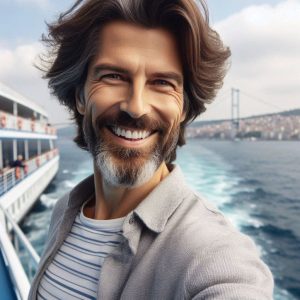
fuller hair after hair transplantCelebrities always seem to have flawless hair. Whether it’s a red-carpet event or a casual Instagram post, their locks look impossibly full, shiny, and perfect. But here’s a little secret: many stars turn to Turkey for hair transplants to maintain that picture-perfect look. The country has become a global hub for hair restoration, attracting high-profile clients who want discreet, natural-looking results. Why Turkey? It’s a mix of cutting-edge techniques, skilled surgeons, and a knack for catering to those who value privacy.
Turkey’s rise as a hair transplant destination is no accident. The country offers advanced procedures like Follicular Unit Extraction (FUE) and Direct Hair Implantation (DHI), which deliver seamless results. Turkey hair transplant clinics like Hair of Istanbul specialize in these techniques, ensuring minimal scarring and maximum density. Celebrities love this because the results blend so naturally with their existing hair. Plus, Turkey’s clinics often combine affordability with expertise, making it a go-to spot for stars who want top-notch care without breaking the bank.

Why Celebrities Choose Turkey

Discretion is a top priority for high-profile clients. Imagine a Hollywood actor or a pop star trying to keep a procedure under wraps. Turkey’s clinics excel at providing private experiences, from secluded consultation rooms to VIP transport. Many facilities, including top-tier ones in Istanbul, offer exclusive packages that include private recovery suites. This allows celebrities to undergo treatment without paparazzi or prying eyes. “Privacy is everything for our clients,” says a representative from a leading Istanbul clinic. “We ensure they feel secure and comfortable.”

Turkey’s surgeons are among the best in the world. They perform thousands of procedures annually, giving them unmatched expertise. This experience translates into results that look effortless, which is exactly what celebrities need. Whether it’s a footballer restoring a receding hairline or an actor boosting volume, the goal is hair that looks like it’s always been there. The precision of modern techniques like sapphire FUE, which uses ultra-fine blades for minimal scarring, makes this possible.

Trends in Turkey’s Hair Transplant Scene

Natural-looking results are the gold standard. Gone are the days of obvious hair plugs. Today’s procedures focus on mimicking the natural growth pattern of hair. Surgeons carefully angle each graft to match the patient’s existing hair, creating a flawless finish. This is especially important for celebrities who face high-definition cameras and relentless scrutiny. The results? Hair that moves, shines, and grows just like the real thing.

Technology keeps evolving. Here are some trends shaping Turkey’s hair transplant industry:

  • Sapphire FUE: Uses sapphire blades for smaller incisions, reducing recovery time.
  • DHI: Implants hair directly without shaving the scalp, ideal for discreet procedures.
  • Stem Cell Therapy: Enhances hair growth and strengthens follicles for long-lasting results.
  • AI Planning: Some clinics use AI to map out graft placement for optimal density.

These advancements make Turkey a magnet for those seeking the best in hair restoration.

How Clinics Cater to Celebrities

Top clinics roll out the red carpet for their VIP clients. From the moment a celebrity arrives, everything is tailored to their needs. Private jets, luxury accommodations, and personal translators are often part of the package. Clinics like Hair of Istanbul go further by offering customized treatment plans. They assess a client’s hair type, lifestyle, and aesthetic goals to create a bespoke solution. “We treat every client like a star,” one clinic director explains, “but for actual stars, we go the extra mile.”

Recovery is just as important as the procedure. Celebrities can’t afford to take long breaks from the spotlight, so clinics prioritize quick, comfortable recoveries. Post-procedure care includes specialized shampoos, laser therapy to speed healing, and detailed aftercare guides. Some clinics even provide virtual follow-ups to ensure everything is on track. This level of care helps stars return to their busy schedules looking better than ever.

Read also 6 Famous Faces Who Sought Therapy—What Chicago Psychiatrists Want You to Know for more articles on recovery.

The Allure of Transformation

Hair transplants are more than just cosmetic. For many celebrities, they’re a confidence booster. A fuller hairline can make someone feel youthful and camera-ready. Turkey’s ability to deliver these transformations discreetly has made it a favorite among the elite. Whether it’s a subtle tweak or a dramatic change, the results speak for themselves. Who wouldn’t want hair that looks like it belongs on a movie poster?

The secret is out, but it’s still exclusive. Turkey’s hair transplant industry thrives because it offers what celebrities crave: quality, privacy, and results that turn heads. Next time you see a star with impossibly perfect hair, there’s a good chance they’ve made a quiet trip to Istanbul. With clinics like Hair of Istanbul leading the way, it’s no wonder Turkey remains the world’s worst-kept secret for flawless hair.

By Alexander Deforest, ago
Health

Celebrity Grooming Secrets Revealed: The Intimate Skincare Step You Didn’t Know Existed

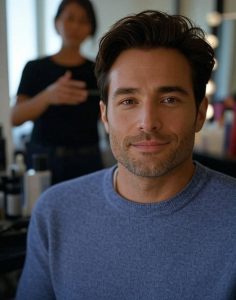
male groomingRed carpet appearances aren’t just about flawless tuxedos and dazzling smiles. The truth is, many celebrities invest hours—sometimes days—perfecting their personal grooming routines before facing the cameras. What often goes unseen is just how far this grooming goes. From high-end facials to toe treatments, stars take their skincare seriously. But one of the most surprising additions to their routines? Intimate skincare.
While moisturizers and beard oils get the spotlight, there’s a growing trend among male celebrities who are embracing a more complete approach to body care. An often-overlooked but increasingly essential part of their regimen includes products like Male-Revitalize. This intimate cream is designed for delicate areas, helping maintain comfort, softness, and even confidence, especially under hot studio lights or tightly tailored suits.

From Luxury to Necessity: The Evolution of Men’s Grooming

What used to be labeled as “metrosexual” is now simply called self-care. Male grooming has come a long way. Once restricted to shaving kits and a splash of cologne, the modern routine now mirrors the complexity of female skincare—cleanser, toner, serum, moisturizer, and yes, intimate care too. Actors, athletes, and influencers are no longer shy about it. In fact, they’re setting new standards.

Skincare experts working with top celebrities report that more clients are requesting treatments tailored to private areas. Not only does this help with comfort and hygiene, but it also enhances self-image, especially during photoshoots where revealing outfits are involved. And when you’re getting styled from head to toe, there’s no room for irritation or discomfort anywhere on the body.

Backstage Grooming: What Happens Before the Flash

Before the paparazzi snap their first photo, celebrities undergo hours of grooming with trained professionals. Makeup artists and skincare specialists prep their clients well beyond the basics. From clay masks to body scrubs to soothing creams that prevent chafing, the process is highly detailed. Intimate care products are discreetly applied to ensure everything feels—and looks—its best.

One stylist who preps stars for awards season shared, “If they’re wearing a fitted suit or sheer fabric, they want to feel confident knowing everything is smooth and irritation-free. It’s about feeling good more than being seen.”

The Science Behind Intimate Skincare

Unlike regular lotions, intimate creams are formulated with sensitive skin in mind. Products like Male-Revitalize often include ingredients such as aloe vera, chamomile extract, and vitamin E—all known for their soothing and hydrating properties. These formulas help reduce redness, support skin elasticity, and protect against friction. The result? Skin that feels fresh, healthy, and camera-ready—without discomfort.

For actors and models who often deal with costume changes, hot lights, and long hours on set, having that layer of care goes a long way. It’s not just a trend; it’s a solution to a real problem.

Why Everyday Men Are Following Suit

Grooming isn’t just for celebrities anymore. Social media has opened up a window into the lives of influencers and public figures, making it easier for everyday men to adopt the same habits. TikTok routines and Instagram reels show how far self-care can go. As a result, the once-taboo topic of male intimate skincare is being discussed openly and confidently.

More men are discovering that a good grooming routine isn’t about vanity—it’s about feeling comfortable in your skin. Whether you’re hitting the gym, going on a date, or want to stay fresh during a long workday, intimate care plays a quiet but vital role.

READ ALSO: Radiant Beauty from Within: Harnessing Hormones for Health and Glamour

Final Thoughts: Grooming Is Personal—and Powerful

What used to be a backstage secret is now a modern necessity. Male celebrities aren’t just relying on stylists and personal trainers—they’re embracing products that help them feel good all over. And now that the spotlight has turned toward intimate skincare, products like Male-Revitalize are no longer hidden in the vanity drawer. They’re front and center in a complete self-care routine.

Whether you’re stepping onto a red carpet or simply walking into a boardroom, confidence often starts with how you feel. And feeling fresh from head to toe? That’s a secret worth sharing.

Health and Lifestyle

Celebrities Who Love Bubble Tea: A Peek into the Trend’s Popularity Among the Stars

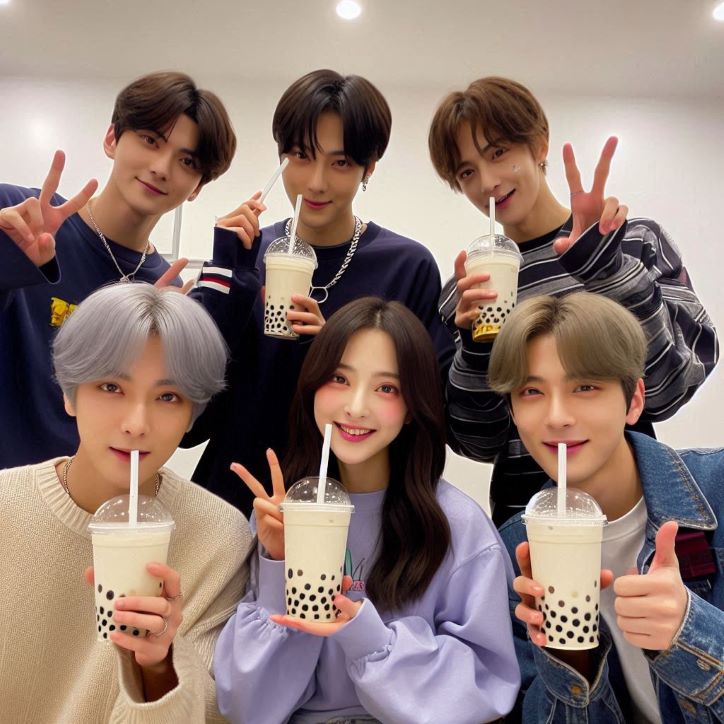
kpop idols drinking bubble tea

Bubble tea, also known as boba, has become a beloved beverage worldwide. This Taiwanese drink, characterized by its chewy tapioca pearls and a wide variety of flavors, has caught the attention of many celebrities.

From K-pop idols to Hollywood stars, the sight of famous figures sipping on bubble tea has added to the drink’s global popularity. Let’s dive into some celebrities who can’t seem to get enough of this delightful drink and find out their favorite flavors.

K-pop Idols’ Love for Bubble Tea

K-pop idols are often seen enjoying a cup of bubble tea. Lisa from BLACKPINK has a particular fondness for milk tea with brown sugar boba. BTS’s Jungkook has been spotted multiple times with a cup of taro bubble tea, which is a favorite among many fans. These idols often share their bubble tea moments on social media, sparking a craze among their followers to try the same flavors.

Hollywood Stars Joining the Bubble Tea Bandwagon

Hollywood is not far behind when it comes to the bubble tea trend. Ariana Grande has shared her love for matcha bubble tea with fans on Instagram. Actor Ryan Reynolds once tweeted about his enjoyment of a classic milk tea with tapioca pearls, creating a buzz among his followers. It’s not just the drink’s unique taste, but also the fun, chewy pearls that seem to captivate Hollywood stars.

Bubble Tea and Social Media Influencers

Social media influencers play a significant role in popularizing bubble tea. YouTube star Emma Chamberlain often features different bubble tea flavors in her vlogs. Her followers, inspired by her enthusiasm, often take to trying out the same flavors and sharing their experiences online. TikTok stars like Charli D’Amelio have also showcased their bubble tea adventures, adding to the drink’s trendy image.

Bubble Tea’s Impact on Pop Culture

Bubble tea has transcended beyond being just a drink; it’s a part of pop culture. Merchandise inspired by bubble tea, such as phone cases, clothing, and accessories, are widely popular. Cafes dedicated to bubble tea have become social hotspots, often frequented by celebrities. This beverage’s ability to blend into various aspects of life makes it a unique cultural phenomenon.

Bubble Tea’s Varied Flavors Delight Celebrities

The variety of flavors is another reason for bubble tea’s popularity among celebrities. From fruity flavors like mango and strawberry to more traditional options like oolong and jasmine tea, there’s something for everyone. The customization options, such as different levels of sweetness and various toppings, allow celebrities to enjoy bubble tea tailored to their taste.

READ ALSO: The Truth about Probiotics and Why Several Celebrities Trust Them

Conclusion

Bubble tea’s rise to fame among celebrities is a testament to its unique appeal. This delightful drink has become more than just a refreshment; it’s a symbol of trendy and modern lifestyle. With its wide range of flavors and the fun experience it offers, it’s no wonder why celebrities around the world are hooked on bubble tea.

By Alexander Deforest, ago
𐌢