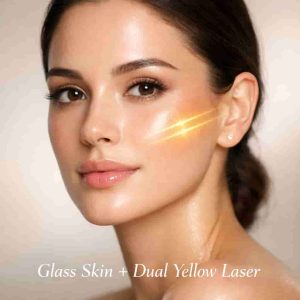
 The ultra-smooth, reflective complexion known as “glass skin” is back in the spotlight. You see it on red carpets, in press photos, and across social feeds. Skin looks clear, even, and almost translucent. Not greasy. Not filtered. Just calm, bright, and polished. For a while, heavy contour and matte finishes ruled. Now the focus has shifted. Skin is meant to look healthy up close. Pores are softer. Redness is dialed down. Pigment looks even. That’s why in-clinic treatments are getting more attention again, especially laser options that work beneath the surface, like the dual yellow laser Malaysia clinics have been quietly offering
 What “Glass Skin” Really Means Today
The original idea came from Korean skincare. It emphasized hydration, gentle exfoliation, and consistent care. Over time, the term evolved. Now it describes skin that reflects light evenly. No blotchy redness. No uneven tone. Minimal visible pores.
That last part matters. You can layer serums forever, but if redness and pigment sit under the surface, the glow never quite shows through. That’s where devices come in.
Glass skin today is less about shine and more about clarity.
Why Lasers Are Back in the Conversation
Topical skincare can do a lot. It can hydrate, smooth the texture, and support the skin barrier. But it can’t selectively target blood vessels or pigment deep in the skin. Lasers can.
Celebrities tend to favor treatments that don’t dramatically change their face or require extended downtime. They want subtle improvement that builds over time. Dual yellow lasers fit that approach.
It’s not aggressive resurfacing. It’s controlled energy aimed at specific causes of dull, uneven skin.
How the Dual Yellow Laser Works
Dual yellow laser technology uses two wavelengths of yellow light. Each targets a different issue.
One wavelength focuses on hemoglobin. That means it helps reduce redness caused by visible blood vessels, flushing, or post-acne marks. The other wavelength targets melanin, which helps with sun spots, uneven tone, and lingering pigmentation.
Because yellow light is well absorbed by both hemoglobin and melanin, the treatment can address redness and discoloration in the same session. That combination is key to achieving a clear, reflective finish.
The laser delivers energy in very short pulses. This minimizes heat spread to surrounding tissue. In simple terms, it treats the problem areas without overstressing the skin.
What It Can Do for Your Skin
The dual yellow laser is not about changing the texture dramatically. It’s about refinement.
Here’s what patients typically notice over a series of treatments:
- Reduced facial redness and flushing
- Fading of broken capillaries
- More even skin tone
- Brighter overall complexion
- A calmer look to reactive skin
As redness and pigment fade, light reflects more evenly across the face. That’s the “glass” effect people talk about. Skin looks smoother, even if the texture hasn’t changed much at all.
What a Treatment Feels Like
Sessions are relatively quick. Most take 20 to 30 minutes, depending on the area treated.
You’ll feel mild warmth and a snapping sensation, similar to a rubber band flick. Most people tolerate it well without numbing cream. Afterward, skin may look slightly pink, like a light flush. This usually settles within a few hours.
There’s little to no downtime. Makeup can often be worn the next day, sometimes even the same day if the skin feels calm.
That low-disruption factor is a big reason it’s popular with public-facing professionals.
How Many Sessions Are Needed?
Glass skin isn’t built in one visit. A dual yellow laser works best in a series.
Most providers recommend three to five sessions spaced a few weeks apart. Results are gradual. Each session builds on the last.
This slow-and-steady approach looks more natural. Instead of a sudden change, people notice you look rested. Brighter. Clearer. They usually can’t pinpoint why.
Who It’s Best For
A dual yellow laser is especially helpful if your main concerns are:
- Persistent redness
- Rosacea-prone skin
- Post-acne marks
- Sun-induced pigment
- Uneven tone without heavy texture issues
It’s suitable for many skin types, but settings matter. A qualified provider should continually assess your skin first. This isn’t a one-size-fits-all treatment.
How It Fits Into a “Glass Skin” Routine
A laser alone won’t do everything. Celebrities pair treatments like this with competent daily care.
That usually means gentle cleansing, consistent sun protection, and barrier-supporting products. No harsh scrubs. No constant product hopping.
The laser clears the canvas. Skincare maintains it.
The Bottom Line
Glass skin is back because it looks real. It signals health, not effort. Dual yellow laser supports that target what makeup and skincare can’t entirely fix: redness and uneven pigment beneath the surface.
It won’t make you look like someone else. It won’t overhaul your face. It simply helps your skin look clearer, calmer, and more reflective.
And sometimes, that’s precisely the glow people are chasing.